BTA Admin
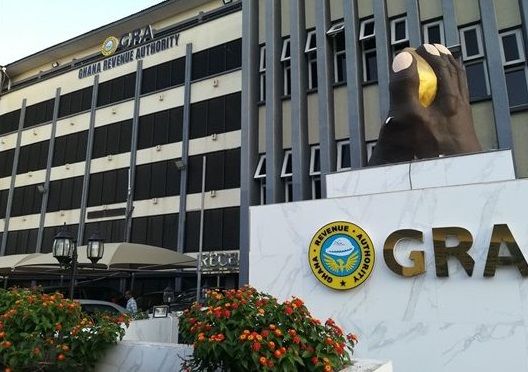
The Ghana Revenue Authority (GRA) says its artificial intelligence system, Publican AI, generated an additional GH¢1 billion in revenue in April 2026 by identifying cases of customs undervaluation.
The disclosure was made by Elsie Appau-Klu, Technical Adviser to the GRA Commissioner-General, during the seventh Belt and Road Initiative Tax Administration Cooperation Forum (BRITACOF) in Jakarta, Indonesia.
She said the AI system was among several technology-driven reforms the authority was using to improve tax compliance, detect revenue leakages and strengthen domestic revenue mobilisation.
The forum, hosted by Indonesia’s Directorate General of Taxes from October 13 to 15, 2026, brought together tax administrators and policymakers to discuss digital transformation and cooperation among participating jurisdictions.
GRA links digital reforms to wider taxpayer registration
Speaking during a panel discussion on digital transformation, Madam Appau-Klu outlined how Ghana had introduced technology into different aspects of tax administration.
She identified three major developments: the adoption of the Ghana Card Personal Identification Number as the Tax Identification Number in 2021, the introduction of the Integrated Customs Management System (ICUMS) in 2020, and the launch of the Modified Taxation Scheme (MTS) in 2025.
According to her, linking tax identification to the Ghana Card increased the number of identity-linked taxpayers from about three million to more than 18 million.
The common identification platform is intended to make it easier for the GRA to identify taxpayers and administer their tax obligations.
However, the increase in identity-linked taxpayers does not necessarily mean that all those individuals are actively paying taxes or filing returns.
Electronic invoicing and customs systems target revenue leakages
Beyond AI, the GRA has introduced electronic VAT invoicing and the Integrated Tax Administration System as part of its efforts to improve monitoring and compliance.
ICUMS, meanwhile, integrates customs operations across Ghana’s ports and borders.
The systems are intended to help the authority identify discrepancies, monitor transactions and reduce opportunities for tax evasion and under-declaration.
Publican AI is being used for tasks including fraud detection, audit case selection and customs valuation.
Madam Appau-Klu said the technology was not intended to replace human officers. Instead, the GRA was retraining auditors to take on more data-analysis and risk-management responsibilities.
She stressed that final decisions remained the responsibility of human officers, with legal authority, data security, privacy protection and taxpayers’ rights to object and appeal serving as essential safeguards.
GRA revenue rises from GH¢153 billion to GH¢182 billion
The GRA collected GH¢182 billion in revenue in 2025, compared with GH¢153 billion in 2024, according to figures presented by Madam Appau-Klu.
That represents an increase of GH¢29 billion, or approximately 19%.
The authority has set a revenue target of GH¢310 billion by 2028.
Achieving that target would require continued revenue growth, stronger compliance and effective administration of the country’s tax system.
The figures presented at the forum demonstrate the increase in reported collections, although they do not by themselves establish how much of the growth resulted directly from digital reforms rather than other factors.
The GRA’s challenge will be to sustain revenue growth while ensuring that tax administration remains efficient, transparent and accessible to taxpayers.
Ghana calls for stronger international cooperation on digital taxation
Madam Appau-Klu urged participating jurisdictions to develop common standards for identity verification, electronic invoicing, secure application programming interfaces and artificial intelligence governance.
She also called for a digital capacity-building programme and a shared repository documenting both successful and unsuccessful tax reforms.
Such cooperation, she said, could help tax authorities learn from one another and avoid repeating mistakes when introducing new technology.
She encouraged Ghana to draw lessons from Brazil’s experience in taxing informal businesses, Indonesia’s electronic tax systems and China’s Golden Tax System.
She also highlighted the importance of cross-border data interoperability to improve tax compliance and facilitate trade.
What the reforms could mean for Ghanaian taxpayers
The GRA’s digital reforms could help identify under-declared imports, improve tax records and make it easier for eligible businesses to meet their obligations.
For government, improved compliance could increase revenue available to fund public services and infrastructure.
For businesses and individuals, however, the success of digital tax administration will also depend on whether systems are reliable, personal information is protected and taxpayers have clear ways to challenge incorrect assessments.
The GRA’s message at BRITACOF was that technology should not simply automate existing processes. It should improve governance, strengthen public trust and make tax administration more effective.
The authority’s ability to achieve its GH¢310 billion revenue target by 2028 will be an important test of whether its digital reforms can deliver sustained improvements in revenue mobilisation.