

 BTA Admin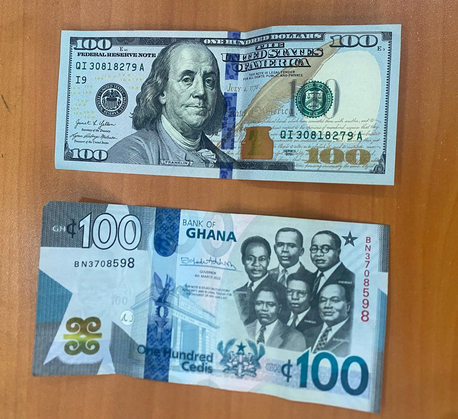
The Ghana cedi has extended its depreciation against the US dollar, with the exchange rate reaching an average of GH¢12.10 per dollar at forex bureaus as pressure from import demand and higher energy costs continues.
According to a Joy Business report published on October 12, 2026, the cedi weakened against the dollar in both the interbank and retail foreign exchange markets over the preceding two weeks. Its year-to-date depreciation has now exceeded 11%.
The currency’s performance against other major currencies was mixed, with losses against the dollar and pound in the interbank market but gains against the euro.
Cedi loses ground against the dollar and pound
In the interbank market, the cedi depreciated by 1.42% against the US dollar, trading at GH¢11.79 to the dollar.
It also weakened by 1.29% against the British pound to GH¢15.60, while appreciating by 0.35% against the euro to GH¢13.20.
The retail market recorded a similar trend against the dollar. The cedi depreciated by 1.45%, averaging GH¢12.10 per dollar at forex bureaus.
However, it gained 0.47% against the pound and 0.55% against the euro, closing the period at GH¢15.80 and GH¢13.65, respectively.
Exchange rates at a glance
| Currency | Interbank rate | Forex bureau rate |
|---|---|---|
| US dollar | GH¢11.79 | GH¢12.10 |
| British pound | GH¢15.60 | GH¢15.80 |
| Euro | GH¢13.20 | GH¢13.65 |
Rates reported for the period ending around October 12, 2026. Actual rates may vary by provider and transaction.
Import demand and energy costs put pressure on the cedi
The cedi’s recent weakness comes amid what the report describes as persistent pre-festive import demand and higher energy costs.
Foreign exchange supply has been intermittent, contributing to sharp movements in the currency, with temporary recoveries failing to establish a sustained upward trend.
Higher demand for foreign currency from businesses importing goods and paying for energy-related costs can put pressure on the cedi when dollar inflows are insufficient to meet demand.
Databank expects possible short-term support
Databank Research expects spot-gold sales by the Ghana Gold Board, known as GoldBod, and foreign exchange interventions by the Bank of Ghana to provide some near-term support for the currency.
The research firm said these measures could trigger a temporary appreciation and a period of stability lasting four to five days.
However, it cautioned that a sustained recovery would depend on whether gold-related inflows could offset seasonal import demand without undermining the Bank of Ghana’s reserve-accumulation target.
Databank expects the US dollar to trade within a broad range of GH¢11.60 to GH¢12.10, identifying GH¢12.00 as a likely near-term ceiling in its outlook.
It warned that risks remain tilted towards further depreciation if energy costs and import demand outpace foreign exchange support.
What the cedi’s depreciation means for Ghanaians
A weaker cedi can make imported goods and services more expensive, particularly when importers pass higher foreign exchange costs on to consumers.
Potentially affected items include imported food, electronics, machinery, medicines and fuel-related products. Businesses that rely on imported raw materials may also face higher operating costs.
For households, the impact depends on how exchange rate movements feed into retail prices. A weaker currency does not automatically mean every product will become more expensive immediately, but sustained depreciation can increase inflationary pressure.
With the cedi’s year-to-date depreciation exceeding 11%, the key question is whether gold-related inflows and central bank interventions can provide lasting support or whether seasonal import demand and energy costs will continue to drive the exchange rate higher.
