

 BTA Admin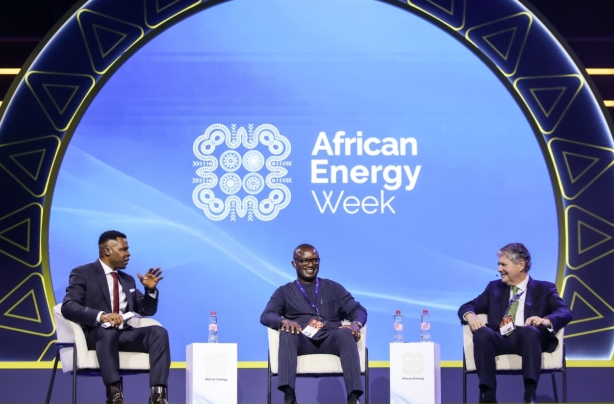
Ghana expects to stop procuring liquid fuels for electricity generation in 2027 as it increases the use of domestic natural gas and gas imported from Nigeria, Minister for Energy and Green Transition John Jinapor has announced.
Speaking at a strategic session hosted by the Gas Exporting Countries Forum (GECF) during African Energy Week 2026 in Cape Town, South Africa, Mr Jinapor said Ghana had reduced its liquid fuel purchases for power generation from eight cargoes to two.
The shift is intended to reduce dependence on fuels such as diesel and heavy fuel oil, which have contributed to the cost of generating electricity.
According to the Minister, the transition from liquid fuels has already saved Ghana about US$500 million in a single year through import substitution.
The 2027 target comes as electricity demand in Ghana grows by approximately 10% annually, increasing the importance of securing reliable and affordable fuel supplies for power plants.
Ghana turns to domestic and Nigerian gas
Mr Jinapor said Ghana’s gas policy prioritises processing gas domestically and directing supplies first to electricity generation, followed by industrial users.
Nigeria is also an important supplier through the West African Gas Pipeline. Ghana expects to double the volumes it receives from Nigeria under existing agreements, the Minister said.
Increasing gas supplies is expected to support the country’s move away from liquid fuels. However, achieving the 2027 target will depend on the availability of gas, pipeline capacity and the ability of power plants to operate reliably on the alternative fuel.
Ghana is also constructing a 278-kilometre pipeline intended to connect its main power centres, forming part of efforts to strengthen the country’s gas transportation infrastructure.
Government targets 50% LPG adoption
Alongside the transition in electricity generation, Ghana is using a levy on pump fuel to support the adoption of liquefied petroleum gas (LPG).
The government is targeting 50% LPG penetration within three years, according to Mr Jinapor.
Expanding LPG use could help increase access to cleaner cooking options, although the pace of adoption will depend on affordability, distribution infrastructure and the availability of LPG to households.
Senegal faces a similar challenge over gas exports
The discussion also highlighted the challenge African gas-producing countries face in balancing export earnings with the need to supply their domestic economies.
Senegal, which began exporting liquefied natural gas in 2025, is working to expand domestic gas availability while maintaining its position in export markets.
Senegal’s Minister of Energy and Petroleum, El Hadji Abdourahmane Diouf, said companies often prioritise export markets, leaving governments responsible for ensuring adequate supplies for local consumers.
Senegal is targeting domestic gas supply of approximately 150 million standard cubic feet per day by 2030. The country plans to distribute the gas through a national network serving power plants.
Mr Diouf said the pipeline network, which has experienced delays, is expected to be delivered within nine months.
Africa’s gas demand projected to more than double
The Gas Exporting Countries Forum’s Global Gas Outlook projects that African gas demand will increase from 175 billion cubic metres in 2024 to approximately 374 billion cubic metres by 2055.
The figures point to a growing role for natural gas in meeting the continent’s energy needs, particularly as countries seek to expand electricity generation and industrial production.
However, regional gas trade remains limited. Oliver Onyekweli, a partner at McKinsey & Company and moderator of the session, noted that only around 3% of gas commercialised in Africa is traded within the continent.
GECF Secretary General Philip Mshelbila argued that exports and domestic consumption should not be treated as competing priorities.
“Exports mobilize capital, revenue and investment confidence. Domestic utilization is the development multiplier,” he said.
He stressed the importance of regional cooperation, gas storage and cross-border infrastructure in strengthening African energy markets against future supply disruptions. He also cited the Senegal-Mauritania Greater Tortue Ahmeyim project as an example of regional cooperation.
Gas seen as a driver of industrial development
African Energy Chamber Executive Chairman NJ Ayuk described natural gas as a versatile resource for African development, with applications extending beyond electricity generation to petrochemicals and fertiliser production.
“We are a gas continent before an oil continent,” he said.
For Ghana, the shift towards gas is part of a wider effort to lower power-generation fuel costs while meeting rising electricity demand.
The country’s gas master plan, which is currently under review, provides a 15-year framework for gas infrastructure development and related budgeting.
Ghana’s next challenge will be turning the planned end to liquid fuel procurement into a reliable reality by 2027, while ensuring that sufficient gas reaches power plants and industry when it is needed.
